Free Everyday Object Coloring Pages for Kids
Free printable everyday objects coloring pages for kids ages 6-12. This pack has 4 pages on how scissors, blue jeans, wall clocks and brooms are made, each with a fun fact. Great for parents, teachers and homeschool. Download and print today!
4 coloring pages + fact sheets in one PDF, ready to print.
📌 Save to PinterestFree for personal and classroom use. Please don't sell or re-upload the file; share a link to this page instead.
Did you know?
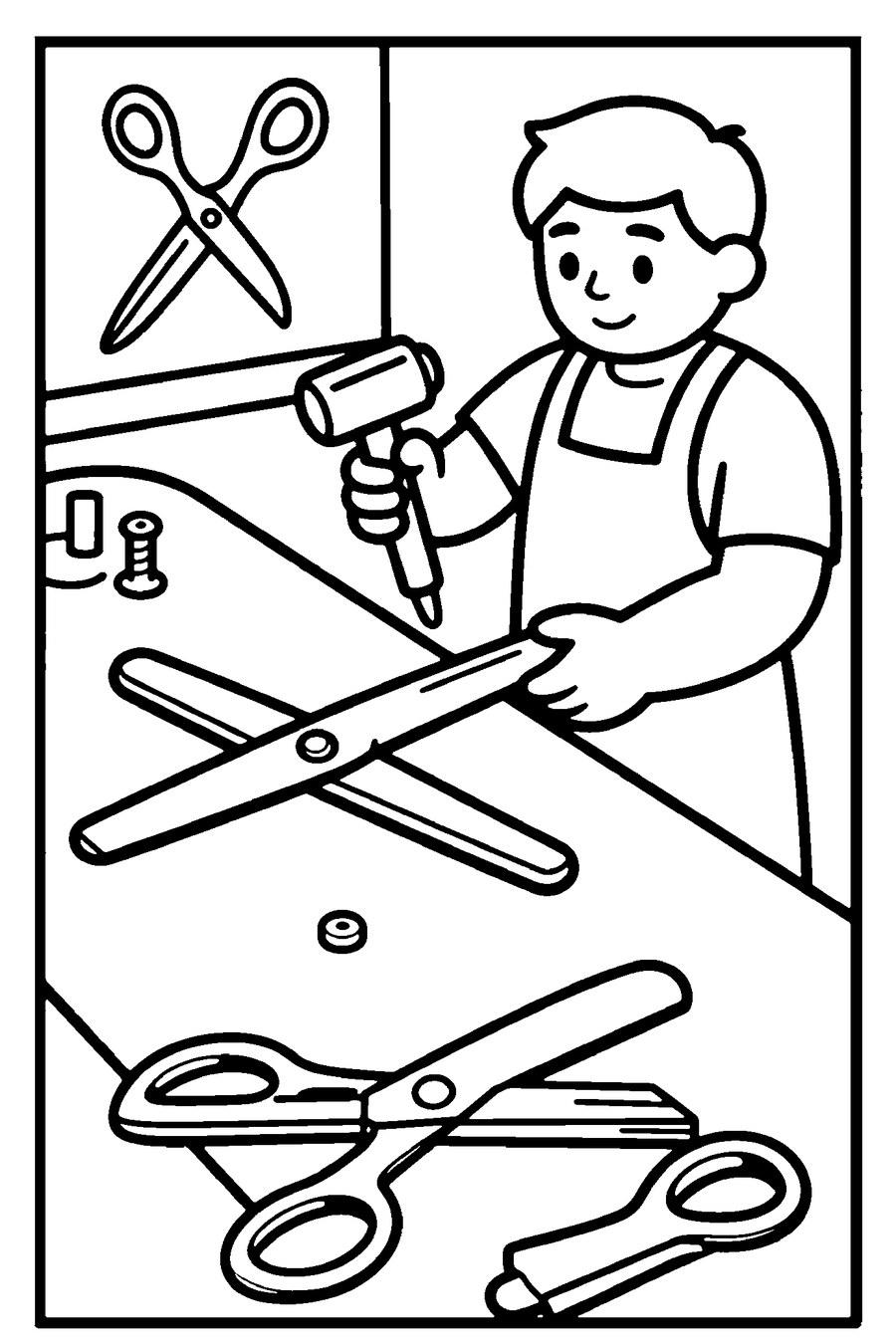
How are scissors made?
How It's Made: Scissors begin as flat pieces of steel that get stamped or cut into two blade shapes. Each blade is heated and cooled in a special way to make it hard enough to cut through paper and fabric without bending. Workers sharpen the cutting edges, then join the two blades together with a screw or rivet so they pivot smoothly. Plastic or rubber handles are molded on last for a comfortable grip.
Fun Fact: Ancient Egyptians used a simple type of scissors made from a single curved piece of metal over 3,000 years ago.
Try This: Open and close a pair of scissors slowly and watch how the two blades slide past each other to make a cut.
Did you know?
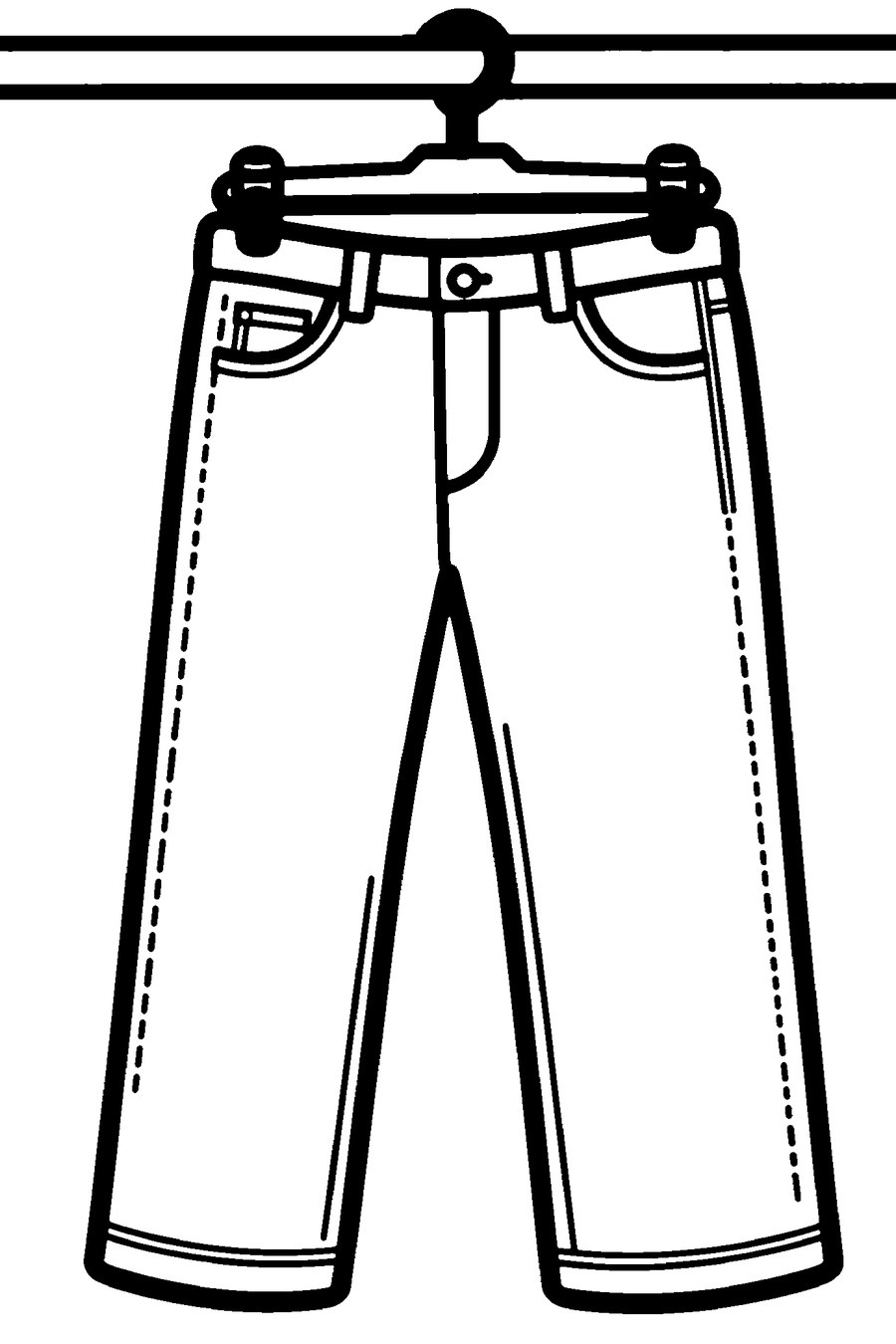
How are blue jeans made?
How It's Made: Blue jeans start as cotton fibers that are spun into thread and woven into a sturdy fabric called denim. The lengthwise threads are dyed deep blue before weaving, while the crosswise threads stay white. Big cutting machines slice the fabric into pattern pieces shaped like pant legs and pockets, and sewing machines stitch everything together with strong thread. Metal buttons and rivets are added at the end to make the jeans extra tough.
Fun Fact: The tiny metal rivets on jeans were first added to keep pockets from ripping during hard work like mining.
Try This: Check your own jeans for the small metal rivets near the pockets and see how many you can find.
Did you know?
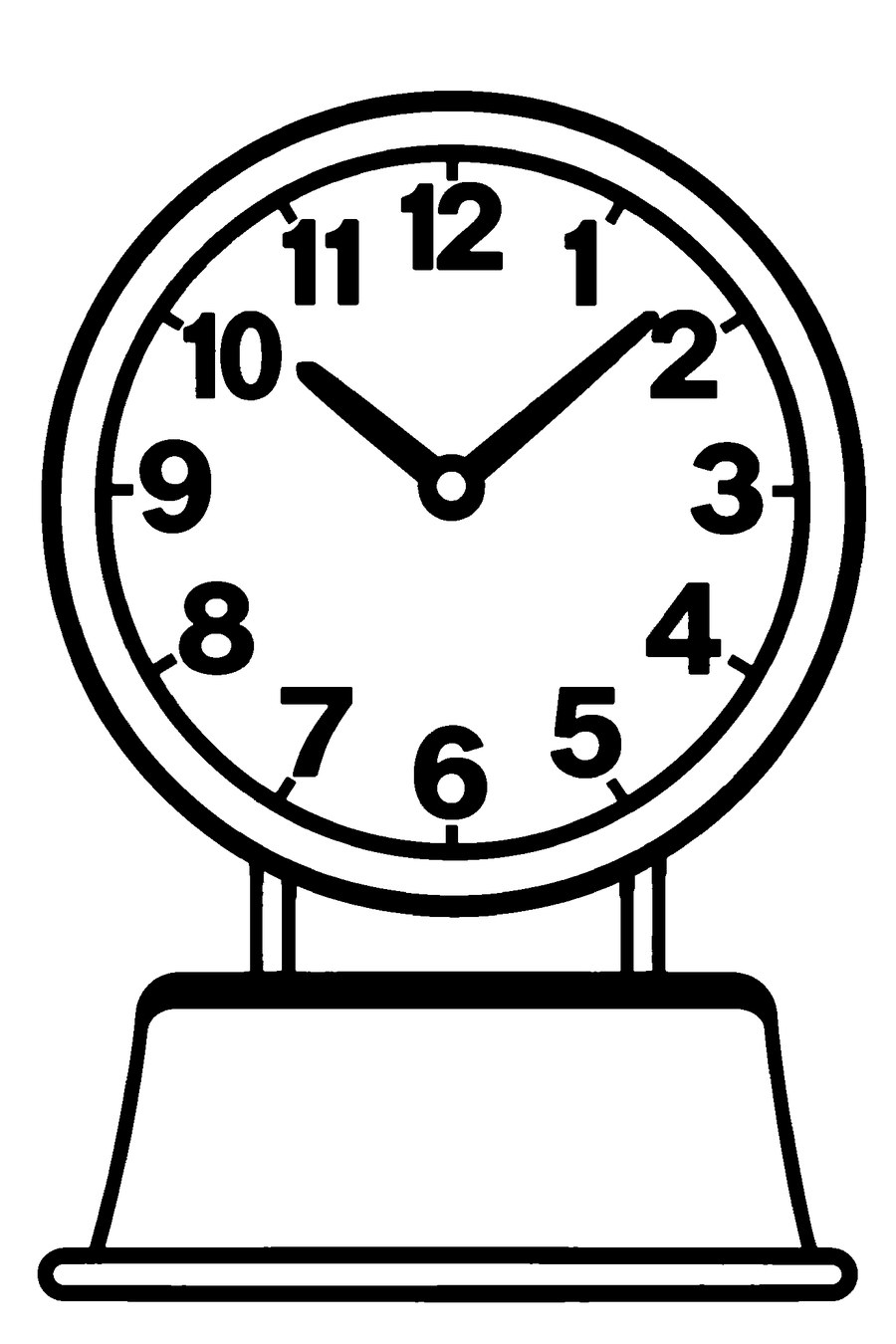
How are wall clocks made?
How It's Made: Inside most wall clocks is a tiny quartz crystal that shakes at an exact, steady speed, and a small motor that uses it to keep time. Workers attach this motor to a set of gears that turn the hour, minute, and sometimes second hands at different speeds. The gears and motor are placed inside a round case, and a clear plastic or glass cover is snapped on to protect the hands. Numbers or marks are printed on the face before everything is assembled.
Fun Fact: Some clocks tick because a tiny gear inside jumps forward one notch every second instead of moving smoothly.
Try This: Watch a clock for one full minute and see how far the minute hand moves compared to the hour hand.
Did you know?
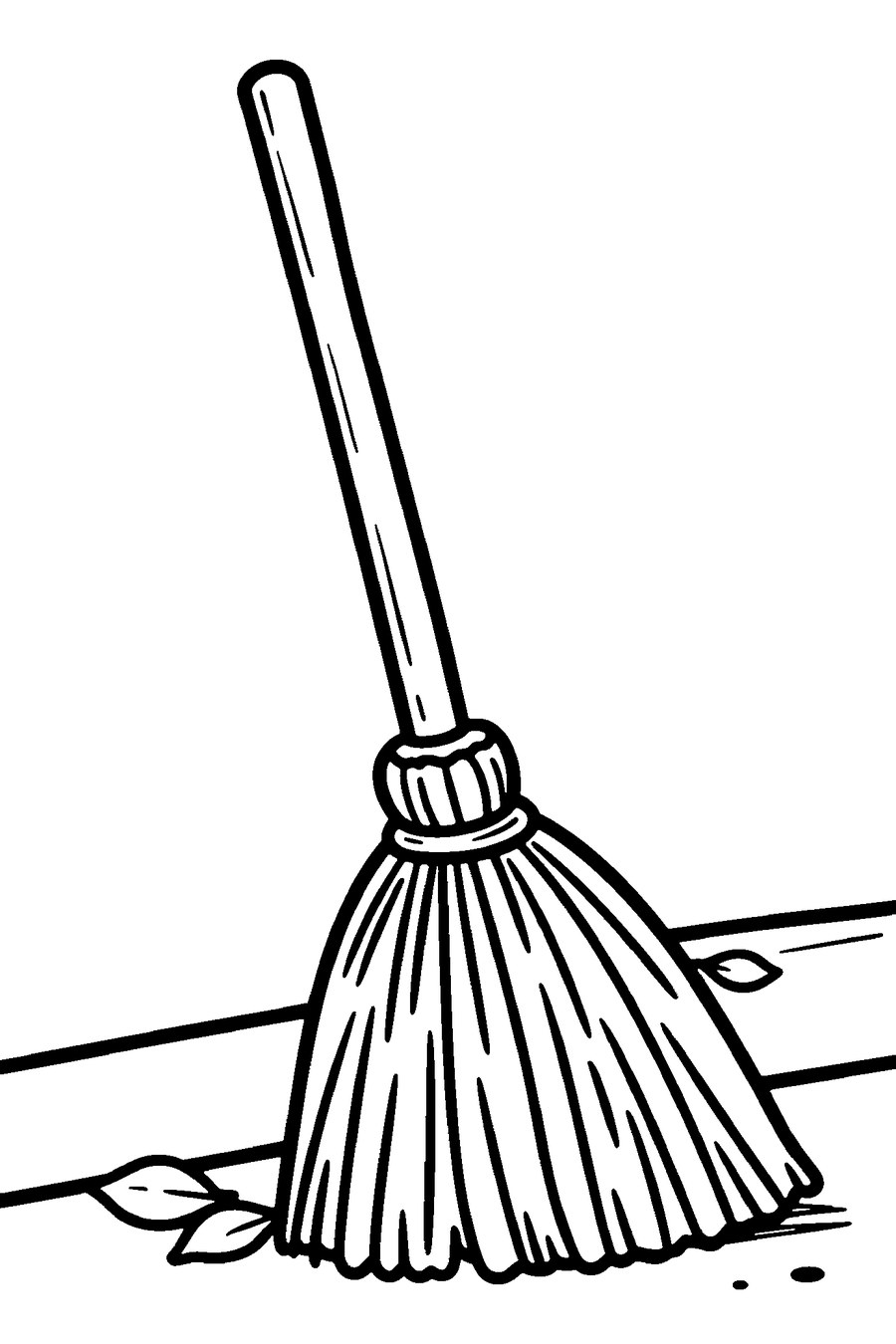
How are brooms made?
How It's Made: Many brooms are made from tough plastic bristles or dried plant fibers called broomcorn. Machines gather bundles of these bristles and tie them tightly together with wire or string. The bundle is attached to a long wooden or plastic handle using glue, staples, or a strong clamp. Finally, the bristles are trimmed evenly so the broom sweeps smoothly across the floor.
Fun Fact: Broomcorn is not actually corn at all. It is a tall grass plant grown just for making broom bristles.
Try This: Look closely at a broom's bristles and see if you can tell whether they are plastic or made from plant fibers.

From the book
How Is It Made? 100 Amazing Questions Kids Ask
Get the book on AmazonMore about this bookNew free pages by email
Get new free coloring pages and fun facts now and then. No spam, unsubscribe anytime.